Skip to content
The Psych or IR
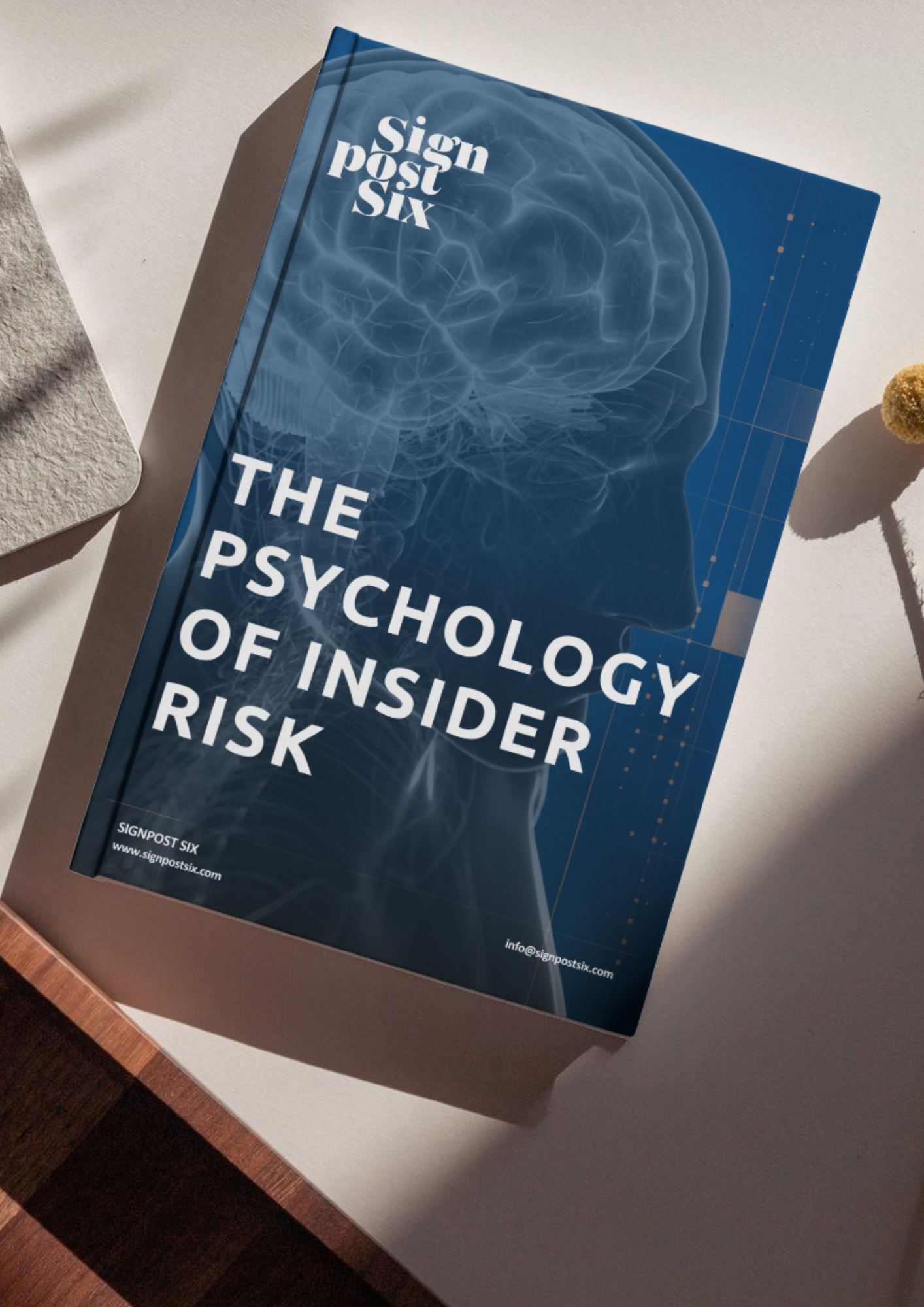
The Psychology of Insider Risk explores how human behaviour, workplace dynamics, and external pressure can turn trusted access into organisational risk. The report highlights key insider profiles and shows how organisations can strengthen resilience through early detection, targeted safeguards, and a more mature insider risk approach.


What You’ll Discover

Why insider risk is fundamentally a human and behavioural challenge

How insider risk develops over time

Which organisational controls can reduce insider risk

The three key insider profiles :disgruntled, recruited, and infiltrated insiders

Analysis 2026

The Psychology of Insider Risk

Trusted by leading organisations

Logo awareness visuals
Screenshot 2025-07-29 132604

Why This Report Matters

It’s important now because insider risk has moved from a niche security concern to a strategic business issue. Organisations are facing a sharper mix of geopolitical pressure, organised crime, financial vulnerability, regulatory demands, and increasingly sophisticated attempts to exploit trusted access.

At the same time, many warning signs appear before an incident happens,  but they are often missed, dismissed, or treated as isolated HR or IT issues. This report shows why organisations need a more proactive, behavioural, and structured approach to insider risk before vulnerabilities turn into reputational, operational, or regulatory damage.


marjoline-delahaye-YaIJ493IVjY-unsplash

About Signpost Six

Signpost Six is Europe’s leading insider risk consultancy, helping public and private organisations protect their people, data, and assets. By combining behavioural science with intelligence expertise, we go beyond technology-led solutions to deliver holistic, people-centred insider risk programmes.
 
Through our proprietary S6 Framework, we partner with organisations to identify vulnerabilities, strengthen resilience, and embed trust as a foundation for sustainable security cultures.